


Parking in Cape Town has become a peculiar kind of urban tax. You drive into the city, find an empty bay and think you've won.
Then comes the bill.
Maybe it's a municipal parking fee. Maybe it's a private parking lot. Maybe it's an app demanding payment before you can leave your car. And, depending on where you park, there may also be a car guard waiting to negotiate his own price for the privilege of watching it.
The parking bay is doing a lot of economic work for a patch of asphalt.
Cape Town's parking economy now operates across several layers. Municipal parking generates revenue. Private operators charge for access. Shopping centres impose their own rules. Parking apps have turned payment into another digital transaction. And car guards earn directly from motorists in some of the city's busiest areas.
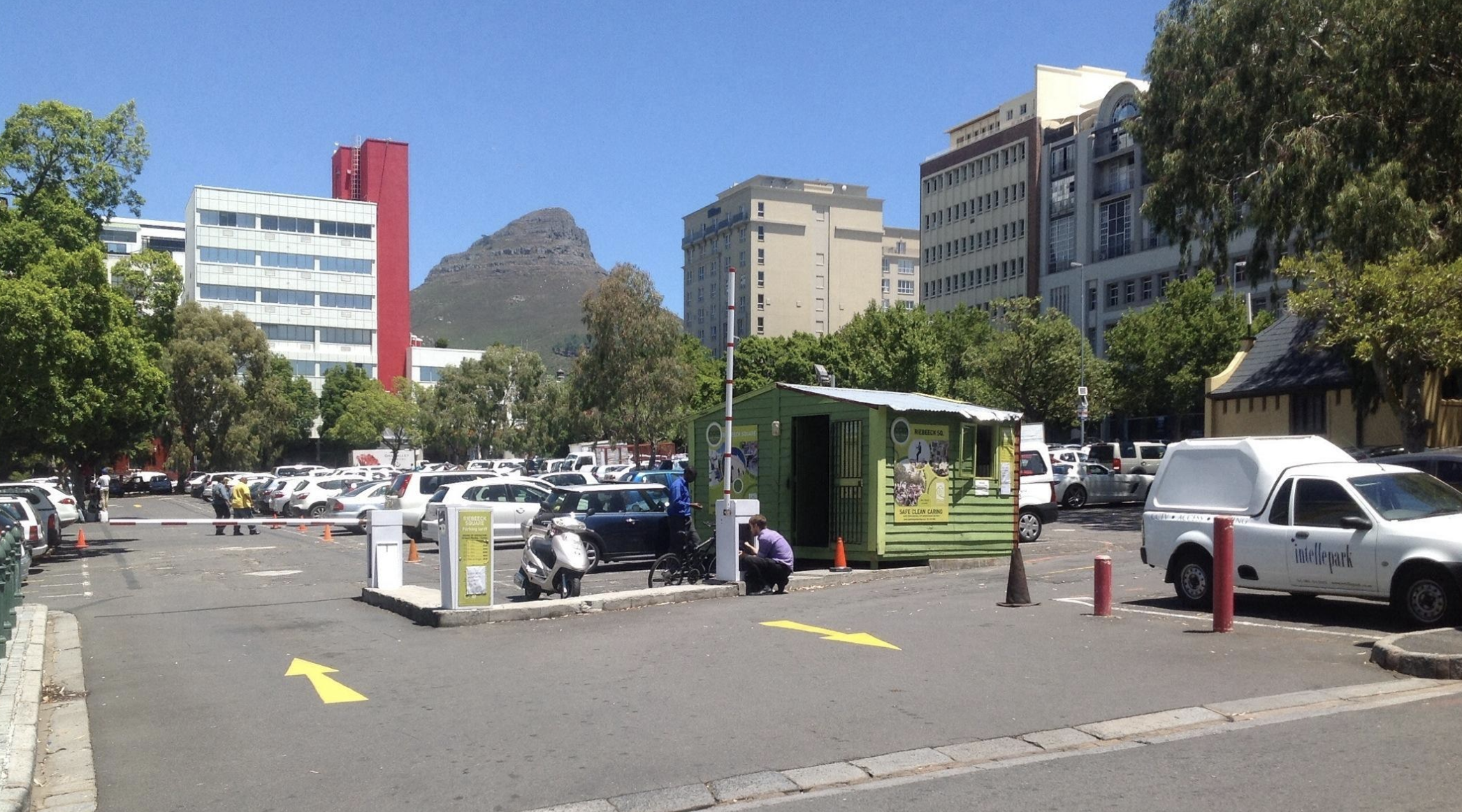
One parking space. Multiple ways to monetise it.
For motorists, the frustration is obvious. You are already paying to drive, fuel, insure and maintain a car. Now simply leaving it somewhere can come with another charge.
But the car guard system exposes the more complicated side of the problem.
For motorists, a few rand may be an annoyance. For someone relying on informal work, the same parking bay can represent a day's income.
So who actually owns the value of a parking space?
The municipality? The property owner? The parking company? The car guard?Or the motorist, who needs somewhere to put the vehicle in the first place?
Perhaps Cape Town's real parking crisis isn't that there are too many cars. It is that there is too little space, and everyone has realised that scarce space can be monetised.
The parking bay has become a miniature economy. And motorists are the ones paying to participate.


Discussion