


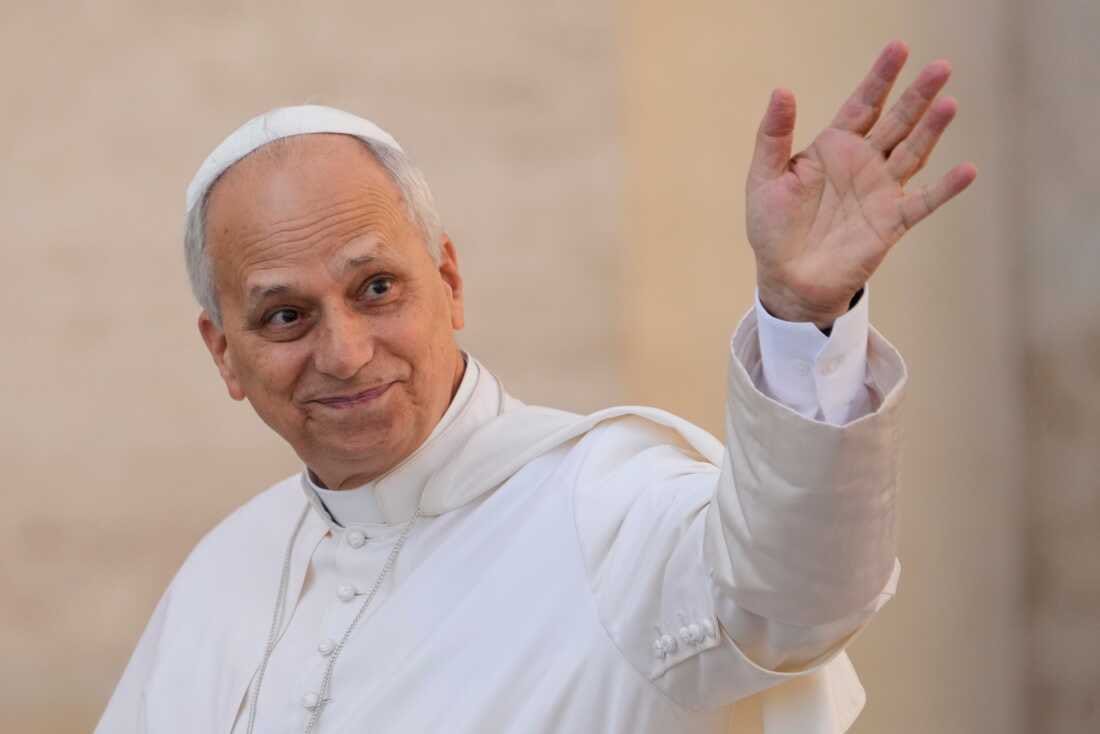
In a world where artificial intelligence can draft emails, essays and even wedding vows in seconds, Pope Leo XIV has drawn a firm line at the pulpit.
During a recent address at the Vatican, the pontiff cautioned Catholic priests against relying on AI to write their sermons, urging them to flex their own intellectual and spiritual muscles instead. Comparing the brain to a muscle in the body, he warned that unused abilities can weaken over time.
"Like all the muscles in the body, if we do not use them, if we do not move them, they die," he said. "The brain needs to be used, so our intelligence must also be exercised a little so as not to lose this capacity."
While AI tools are rapidly becoming workplace staples across industries, from marketing to medicine, the Pope suggested that sermon writing is not a task to be outsourced to an algorithm. In Catholic tradition, homilies are more than structured reflections. They are pastoral messages shaped by prayer, study and lived experience within a faith community.
The concern is not about banning technology altogether. Rather, it is about balance. Tools may assist research or organisation, but they should not replace the human reflection that gives a sermon its warmth, nuance and moral depth. A message delivered from personal conviction resonates differently than one assembled by code.
As artificial intelligence continues its march into everyday life, even sacred spaces are feeling the shift. For now, however, the Vatican’s stance is clear: when it comes to preaching, priests are encouraged to power up their minds, not just their machines.


Discussion