


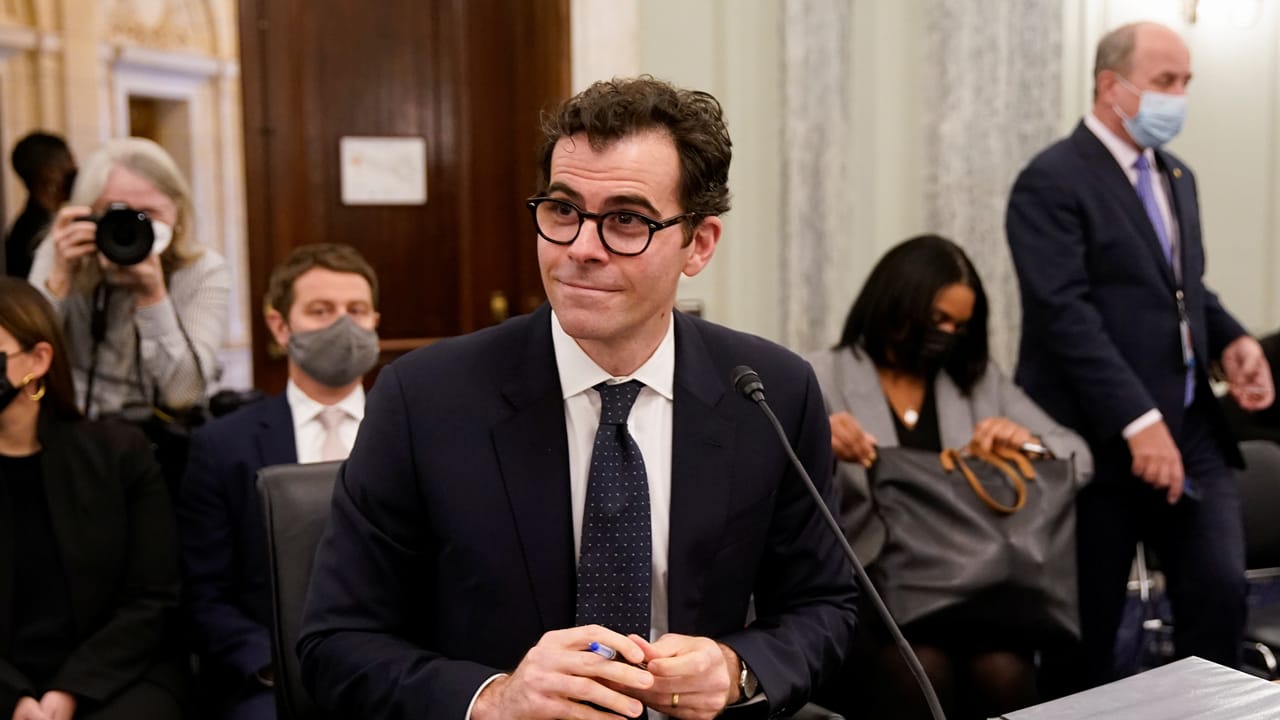
Instagram chief Adam Mosseri takes the witness stand today in a Los Angeles courtroom as the landmark social media addiction trial reaches a pivotal moment.
Plaintiff Kaley G.M., now 20, alleges she became addicted to YouTube at age six and Instagram at age nine. She claims the platforms’ design features caused severe anxiety, body dysmorphia and suicidal thoughts.
Lawyers for Kaley argue that Meta and YouTube deliberately built “addiction machines” to maximise user time and profit. Opening statements began on 9 February 2026 in Los Angeles Superior Court.
The case is the first of roughly 1 500 similar lawsuits to reach a jury. It is widely seen as a bellwether that could influence how courts view Big Tech’s responsibility for youth mental health.
Plaintiffs’ attorney Mark Lanier told jurors the companies created “digital casinos” that deliver dopamine hits through endless scroll, autoplay and likes.
Stanford professor Anna Lembke, the first expert witness, compared social media to a “gateway drug” for developing brains that lack full impulse control before age 25.
YouTube rejects the addiction label outright. Its lawyer Luis Li told the jury:
“It’s not social media addiction when it’s not social media and it’s not addiction.”
Li argued YouTube functions more like Netflix than platforms such as Instagram or TikTok, and said internal data showed Kaley’s average daily use was far below addictive levels.
Meta’s attorney Paul Schmidt pointed to Kaley’s family history, including parental divorce and reported abuse, as primary factors in her mental health struggles rather than Instagram use.
Meta CEO Mark Zuckerberg is scheduled to testify on 18 February. Snapchat and TikTok settled with Kaley before trial.
The outcome of this social media addiction trial will be watched closely in South Africa and globally, where regulators are also scrutinising platforms’ impact on young users. The case continues into March.


Discussion