


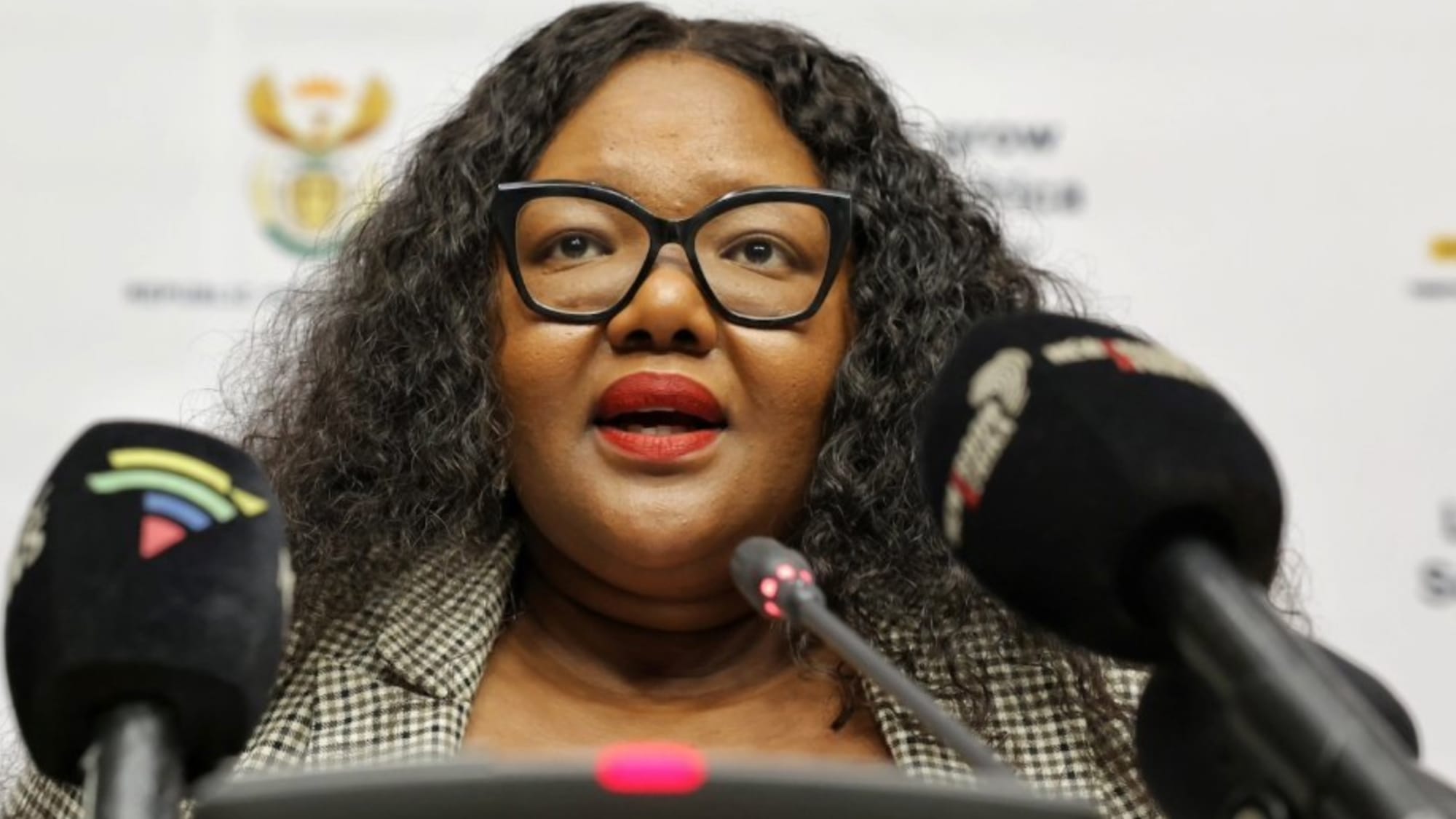
Minister of Basic Education, Siviwe Gwarube, has requested that the Special Investigating Unit (SIU) conduct lifestyle audits on senior officials and staff operating in high-risk areas of the Department of Basic Education (DBE). These areas, Parliament noted, are frequently exploited as entry points for corrupt activity.
Jan de Villiers, Chairperson of the Public Service and Administration Portfolio Committee, praised Gwarube’s proactive approach, emphasizing the need to dismantle corrupt networks within the DBE. The move follows recognition of legislative reforms that would allow the SIU to conduct lifestyle audits routinely across government departments, without depending on presidential proclamations or departmental invitations.
“A capable, ethical and professional public service is the cornerstone of a developmental state,” de Villiers said. “Where corruption takes root, it diverts resources, weakens institutions, and erodes public trust.” He added that in the education sector, the consequences are most severe for learners, whose opportunities are directly affected.
The SIU’s recommended audit methodology involves reviewing three years of bank statements and financial records, including mortgages, vehicle financing, trusts, cryptocurrency, and corporate interests. Data is cross-checked against external databases, including CIPC, eNaTIS, and Windeed, to identify discrepancies such as sudden asset acquisitions.
Current DPSA guidelines, which do not require such detailed records, leave loopholes for officials to evade scrutiny. The SIU also proposes improving asset declaration forms to include hidden wealth indicators and amending legislation to allow direct access to financial records. A “blanket lifestyle audit proclamation” could streamline investigations in high-risk departments.

The initiative signals a strengthened commitment to integrity, accountability, and restoring public confidence in South Africa’s education system.


Discussion