


South Africa has long been celebrated as a beacon of constitutional democracy and human rights on the African continent. Yet a series of upcoming events in Cape Town raises an important question about the country's international identity.
Next year, the city is expected to host the 3rd Pan-African Conference on Family Values, organised by the Africa Christian Professionals Forum. The gathering has drawn criticism from LGBTQ+ organisations, which argue it promotes policies that could undermine protections for queer communities across Africa.
The very next year, Cape Town is set to host WorldPride 2028, one of the world's largest celebrations of LGBTQ+ rights and inclusion.
Both events can legally take place under South Africa's Constitution, which protects freedom of expression, association and equality. In many respects, that reflects the strength of the country's democracy. But while the Constitution accommodates competing viewpoints, global perception is often less nuanced.
Modern nations compete for more than tourists and investment. They compete for reputation. International businesses increasingly consider diversity and inclusion policies when making investment decisions, while travellers are drawn to destinations that reflect their values. Cape Town has spent decades building an image as one of Africa's most inclusive cities, particularly for LGBTQ+ visitors.
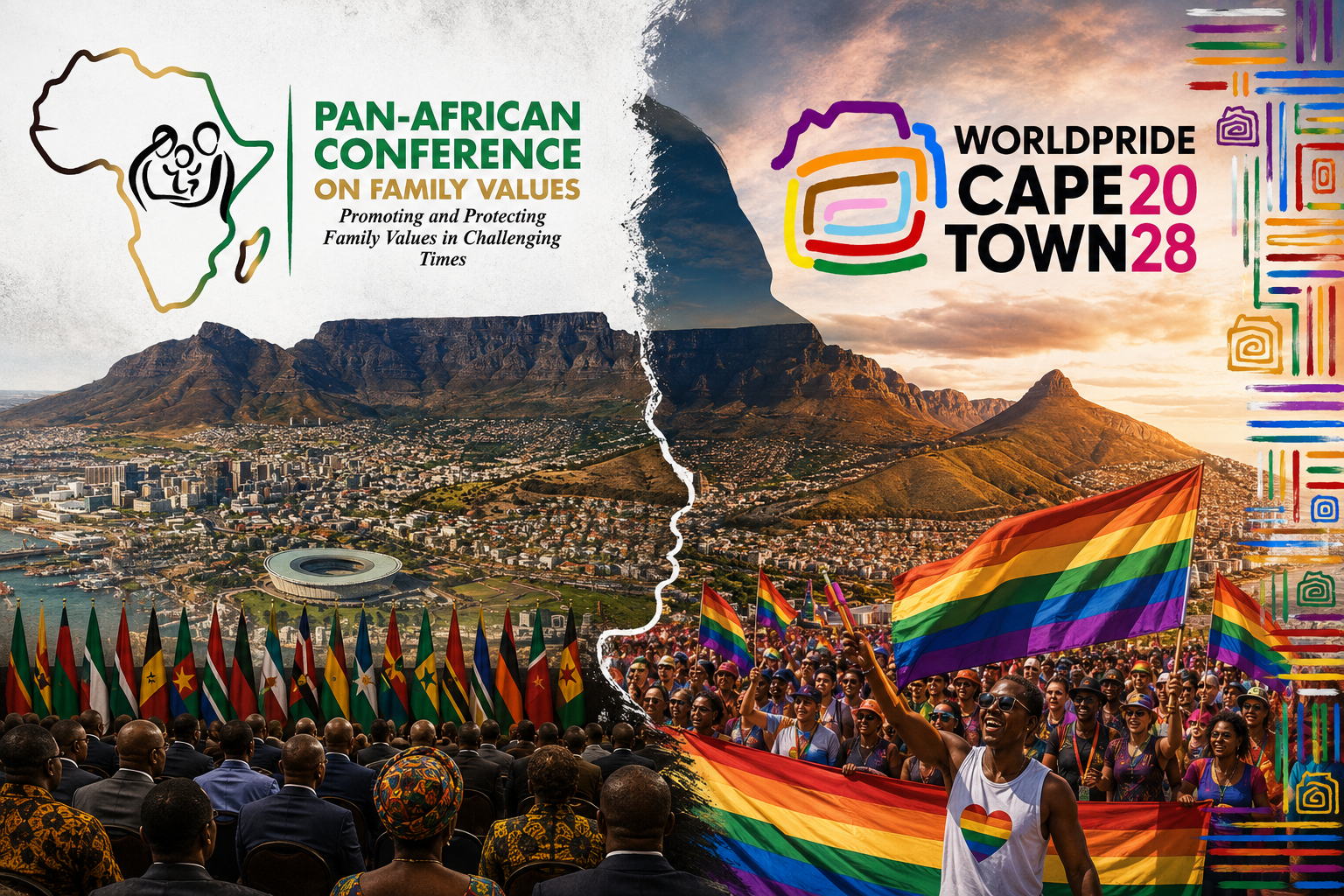
Hosting two globally significant events representing opposing worldviews does not change South Africa's laws overnight. It does, however, create competing narratives about the country's identity.
The real issue is not whether either event should be allowed to proceed. A democratic society must protect differing opinions, even when they are uncomfortable or unpopular. The greater challenge lies in how the world interprets those differences.
As South Africa continues to market itself as an open, rights-based democracy, it faces a new test: can it remain a global symbol of inclusion while simultaneously becoming the stage for opposing visions of human rights?
That question may shape the country's reputation as much as any law ever could.Hosting two globally significant events representing opposing worldviews does not change South Africa's laws overnight. It does, however, create competing narratives about the country's identity.
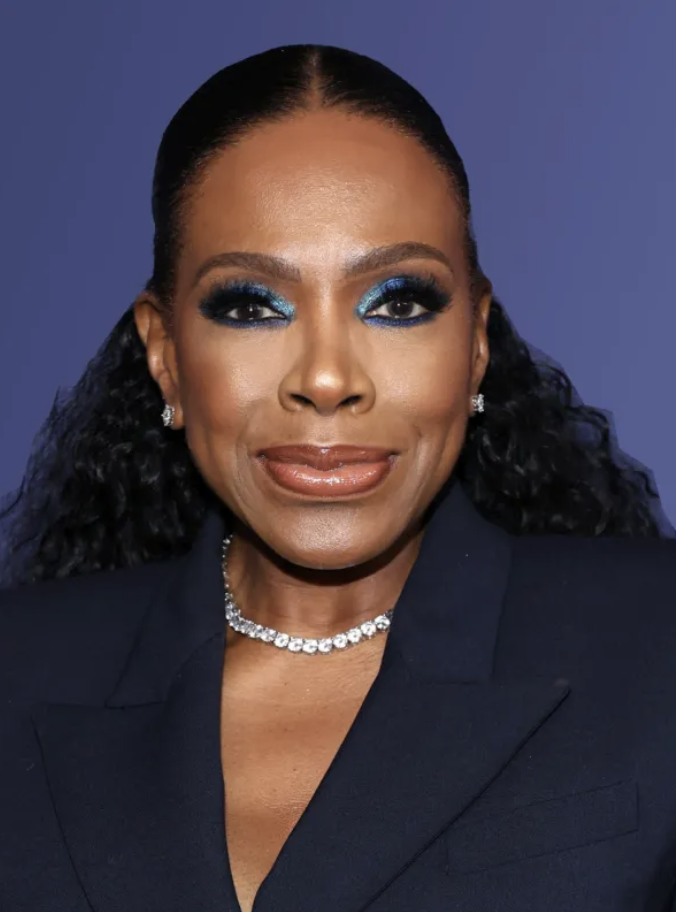
"Just because you've got rights today doesn't mean you'll have rights tomorrow."
Actress and activist Sheryl Lee Ralph once warned: "Just because you've got rights today doesn't mean you'll have rights tomorrow." Whether one agrees with her sentiment or not, the quote serves as a reminder that rights, and the reputations built around them, should never be taken for granted.
The real issue is not whether either event should be allowed to proceed. A democratic society must protect differing opinions, even when they are uncomfortable or unpopular. The greater challenge lies in how the world interprets those differences.
As South Africa continues to market itself as an open, rights-based democracy, it faces a new test: can it remain a global symbol of inclusion while simultaneously becoming the stage for opposing visions of human rights?
That question may shape the country's reputation as much as any law ever could.


Discussion