


The City of Cape Town’s move to replace printed timetables with QR codes across its MyCiTi bus network is facing growing backlash from commuters, many of whom say the system is failing them when they need it most.
The rollout, which began earlier this year, is part of the City’s broader plan to modernise public transport. New signage at bus stops now features QR codes that commuters can scan to access real-time schedule information via their smartphones. Each code links to a live timetable specific to that stop and direction, powered by vehicle tracking technology intended to provide more accurate arrival estimates.
On paper, it’s a sleek upgrade. In practice, many commuters say it’s leaving them stranded.
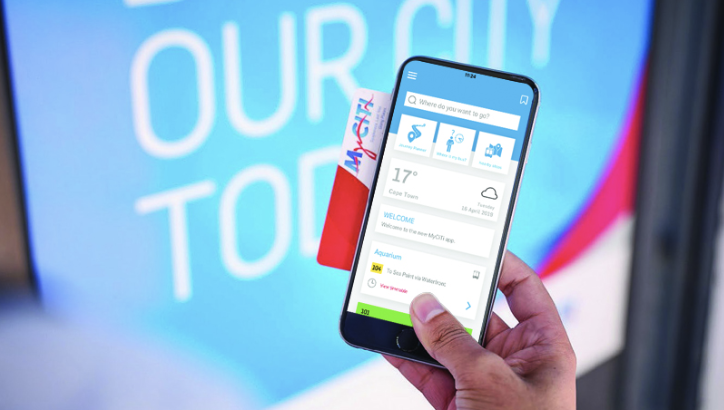
Frustrations are mounting as passengers report significant delays despite “live” times displayed on the system. In some cases, commuters claim they have waited up to an hour for buses that were marked as imminent on the QR-linked timetables.
The issue is compounded by recent route changes, with certain buses removed or altered from their original routes. This has disrupted daily travel routines, causing some commuters to arrive late for work.
Adding to the chaos, MyCiTi station staff are reportedly struggling to provide clear answers. Commuters say frontline workers often do not have access to accurate or updated information, leaving passengers caught between digital promises and real-world uncertainty.
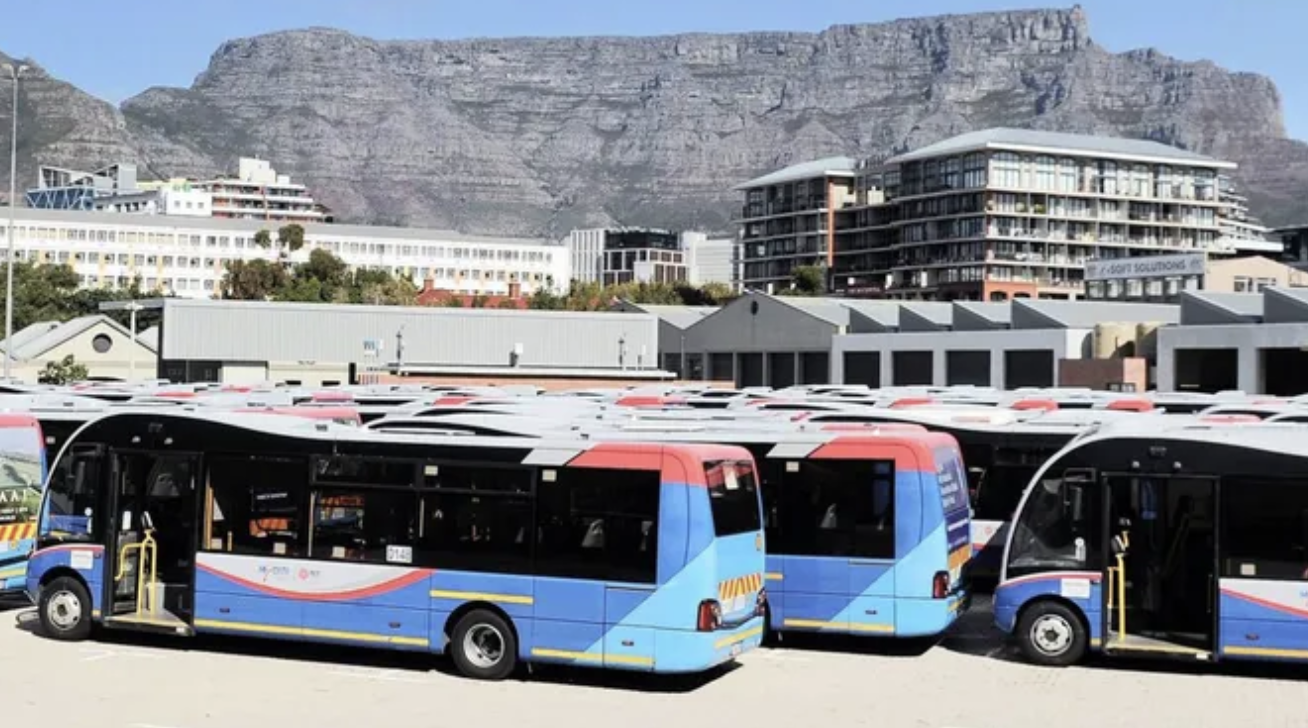
While City officials argue that the shift reduces outdated information and improves operational efficiency, critics say the system is not yet reliable enough to replace traditional timetables entirely. Concerns around accessibility also remain, particularly for those without smartphones or mobile data.
The transition reflects a global shift toward digitised public transport systems. But for many Cape Town commuters, the experience right now feels less like innovation and more like guesswork — where a “live” update doesn’t always mean a bus is actually on its way.


Discussion