


South Africa’s new General Education Certificate (GEC) could help reshape the future of learners who do not follow the traditional matric route. But education experts warn that recognising a learner’s progress at Grade 9 means little if there are not enough opportunities to continue studying.
The Organisation for Economic Co-operation and Development (OECD) says the certificate must not be mistaken for permission to leave education early. Instead, it should recognise what learners have achieved and help guide their next steps.
The GEC began as a pilot in 2021 and was phased in during 2025, with a full rollout expected by 2027. Awarded at the end of Grade 9, it marks the completion of compulsory basic education.
Speaking to CapeTalk, OECD policy analyst Rebecca Frankum stressed that the certificate was never intended to signal that a young person was ready to leave school.
Learners should continue their education, she said, whether that means completing matric or pursuing vocational qualifications that can provide practical skills and a route into employment.
The problem, according to the OECD, is that South Africa has too few alternatives for learners who may be better suited to technical or vocational training.
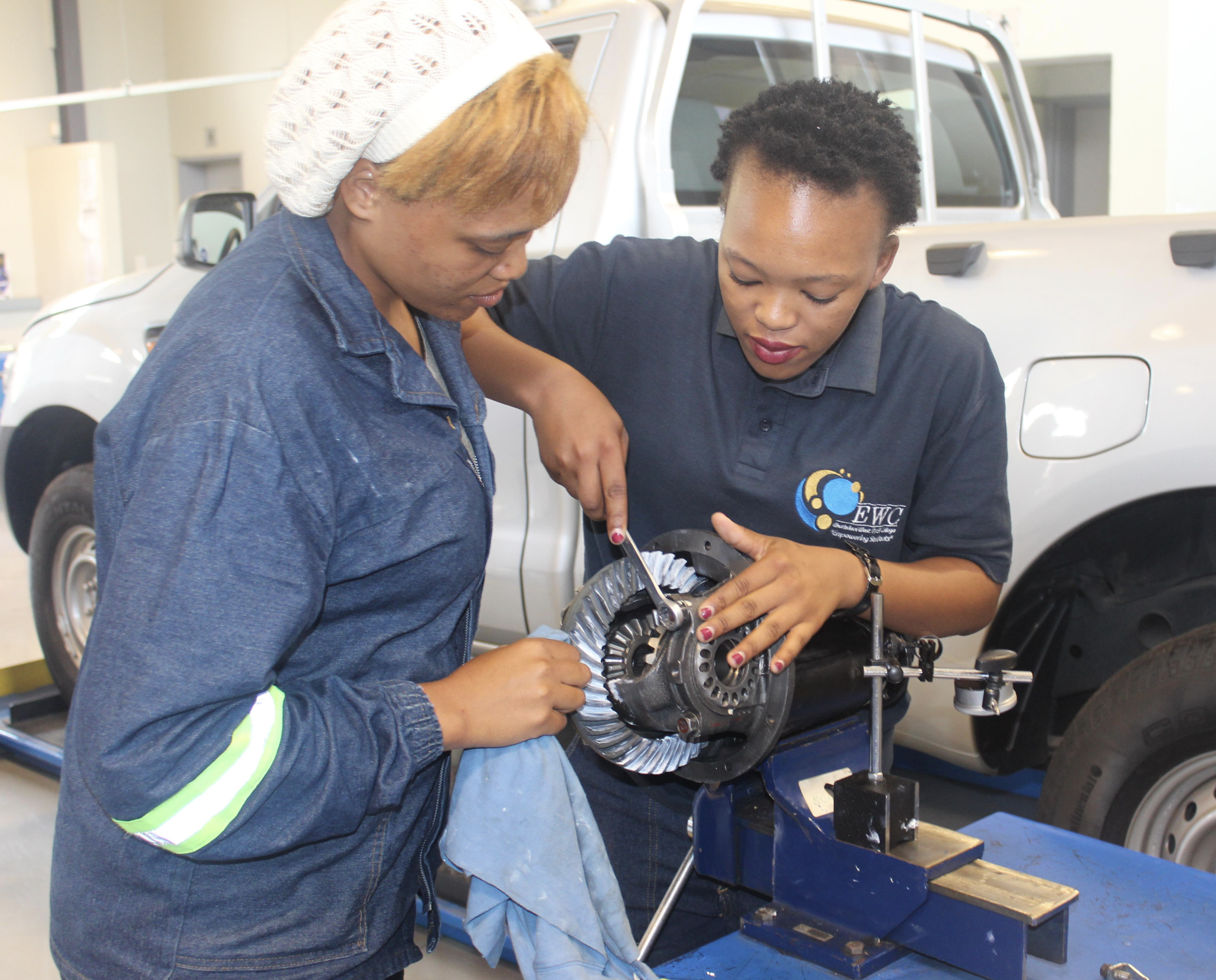
Frankum said only about 2% of South Africans aged 15 to 19 attend a technical and vocational education and training (TVET) college, based on the data examined by the organisation.
Expanding vocational education would require greater investment, improved facilities, more teachers and stronger partnerships with employers.
Countries such as Germany and France offer examples of how businesses can contribute to vocational training while giving young people practical workplace experience. Such partnerships can help employers develop future talent while supporting the training system.
The challenge for South Africa is to ensure the GEC becomes a stepping stone rather than a stopping point. Without accessible pathways beyond Grade 9, learners could receive recognition for their progress without having a clear route towards further qualifications or work.


Discussion