


South Africa’s municipal financial crisis is raising a difficult question: can stricter controls fix struggling councils when their problems differ from one municipality to another?
The Financial and Fiscal Commission (FFC) has criticised National Treasury’s approach, telling Parliament that the Medium-Term Budget Policy Statement did not adequately address the sustainability of local government finances.
The commission argues that municipalities need targeted interventions that account for their financial positions and institutional capacity.
Billions in financial failures
National Treasury reported R145.21 billion in irregular expenditure and R24.12 billion in fruitless and wasteful expenditure across municipalities over the period covered by its July 2026 statement.
In July, Treasury withheld equitable-share transfers from 69 municipalities over financial and compliance failures, describing the intervention as corrective rather than punitive.
The FFC has questioned whether such measures adequately account for the circumstances of individual municipalities. Its deputy chairperson, Malijeng Ngqaleni, has called for a coordinated recovery programme that addresses underlying weaknesses and changes financial behaviour.
Stronger rules, but will they work?
Finance Minister Enoch Godongwana has proposed municipal finance reforms aimed at strengthening accountability, including holding municipal finance officers responsible for financial failures and giving Treasury a role in their appointments.
Municipalities would also be required to direct revenue collected from water and electricity services towards maintaining the infrastructure supporting those services.
The reforms aim to improve financial discipline. However, the FFC has warned that intervention teams can be ignored by municipalities that retain the authority to resist their recommendations.
Residents carry the consequences
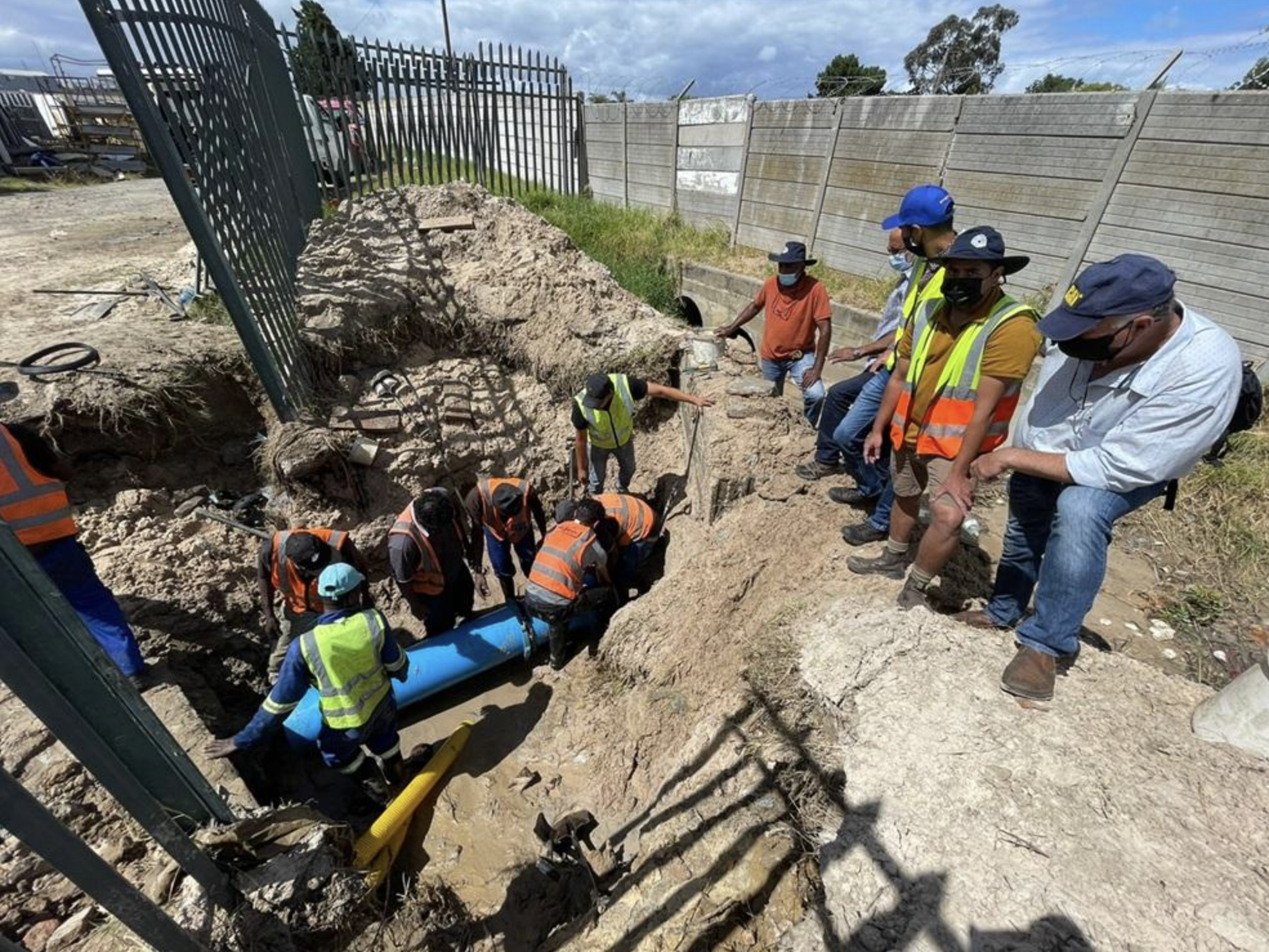
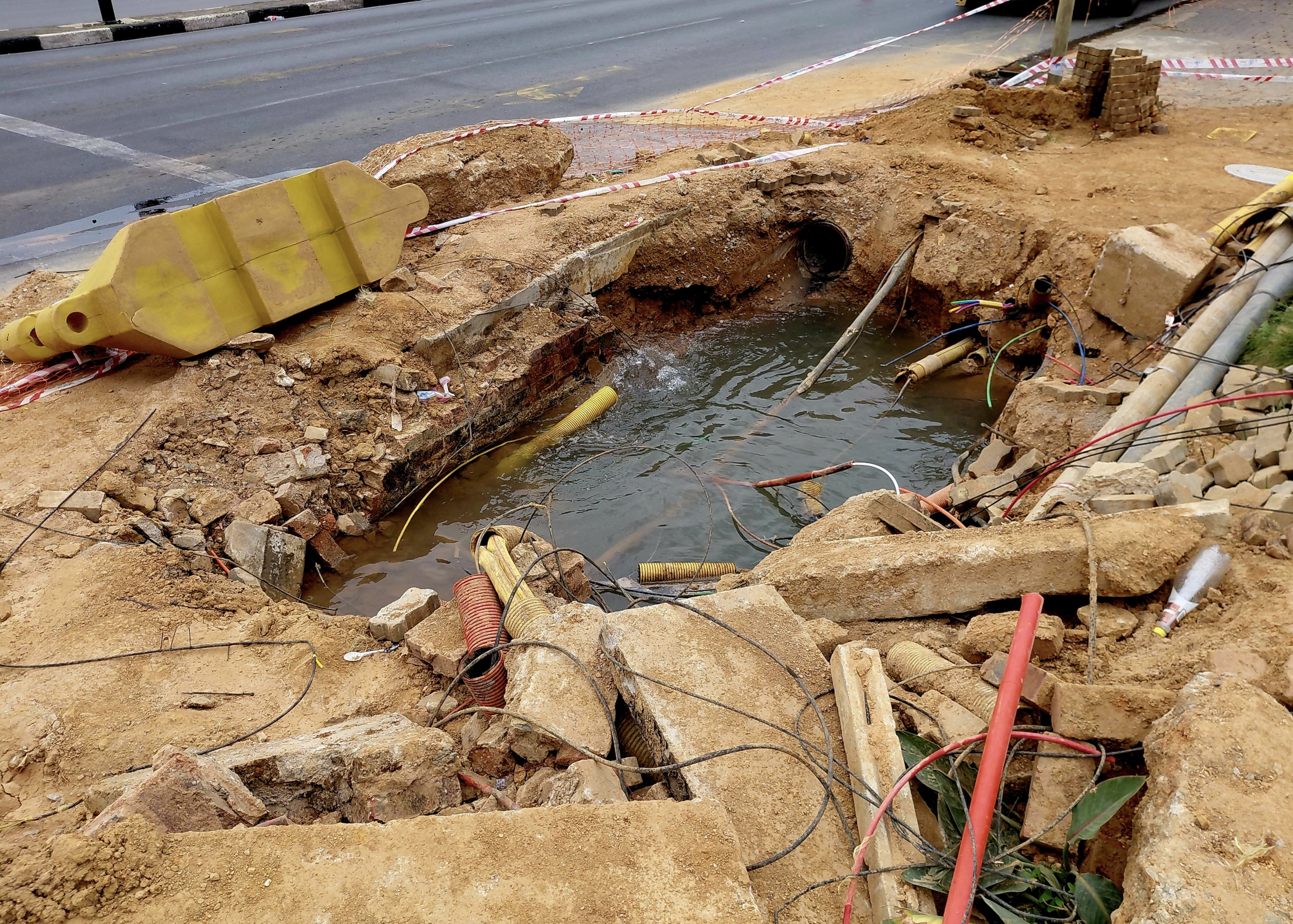
Municipal financial failures extend beyond balance sheets. Poor financial management can threaten infrastructure maintenance, reliable services and payments to essential suppliers.
Allowing mismanagement to continue without consequences undermines accountability. Yet interventions must also consider the communities dependent on municipal funding.
The challenge is to enforce financial discipline without weakening essential services. Ultimately, success will depend on whether municipalities become financially sustainable, maintain critical infrastructure and deliver reliable services.
Stricter rules may strengthen oversight, but lasting municipal recovery requires accountability, cooperation and measurable results.


Discussion