


When people think about elections, national politics often takes centre stage. Yet it is local government that has the most direct impact on our everyday lives. From the roads we drive on to the safety of our neighbourhoods, many of the decisions that affect us most are made at a local level.
Local elections determine who will be responsible for overseeing service delivery, infrastructure projects, housing initiatives, public transport, waste management, and local economic development. The leaders elected today will help shape the future of communities for years to come.
Despite the importance of these elections, many eligible voters choose not to participate. Some feel that their vote will not make a difference, while others have lost faith in the political process. However, history has repeatedly shown that elections can be decided by incredibly small margins. In many cases, just a handful of votes have determined who takes office.
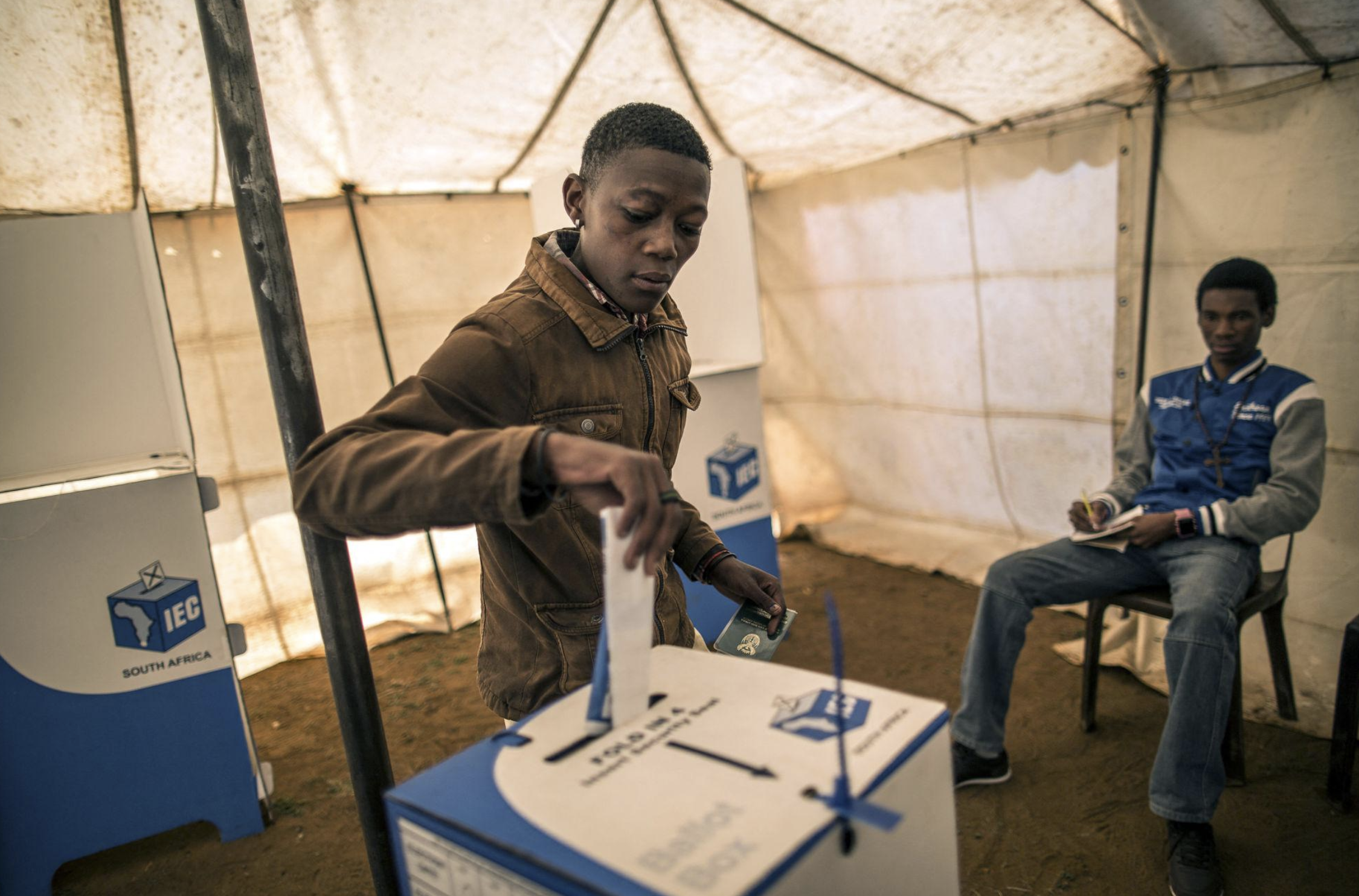
Voting is also one of the most powerful tools citizens have to hold leaders accountable. It allows communities to reward effective leadership, demand better performance, and send a clear message when change is needed. Democracy relies on active participation, and every ballot cast contributes to the direction a community takes.
For young voters in particular, local elections provide an opportunity to influence decisions that will affect their future. Issues such as job creation, infrastructure development, recreational facilities, education support, and community investment often begin with decisions made by local government.
Choosing not to vote does not remove you from the process. It simply allows others to make decisions on your behalf. By participating, you ensure that your voice, concerns, and priorities are represented.
Your community's future is not shaped by politicians alone. It is shaped by the people who take the time to engage, participate, and vote. Every vote counts, and your vote could be the one that helps shape a better future for your community.


Discussion