


A keycard can be cancelled. A password can be changed. A fingerprint and face cannot.
That difference is becoming increasingly important as biometric access systems move from futuristic technology into everyday South African life.
Facial recognition can now form part of how people enter estates, office parks and other controlled environments. The technology promises convenience and security: instead of producing a card, remembering a code or signing a register, your identity can become the credential.
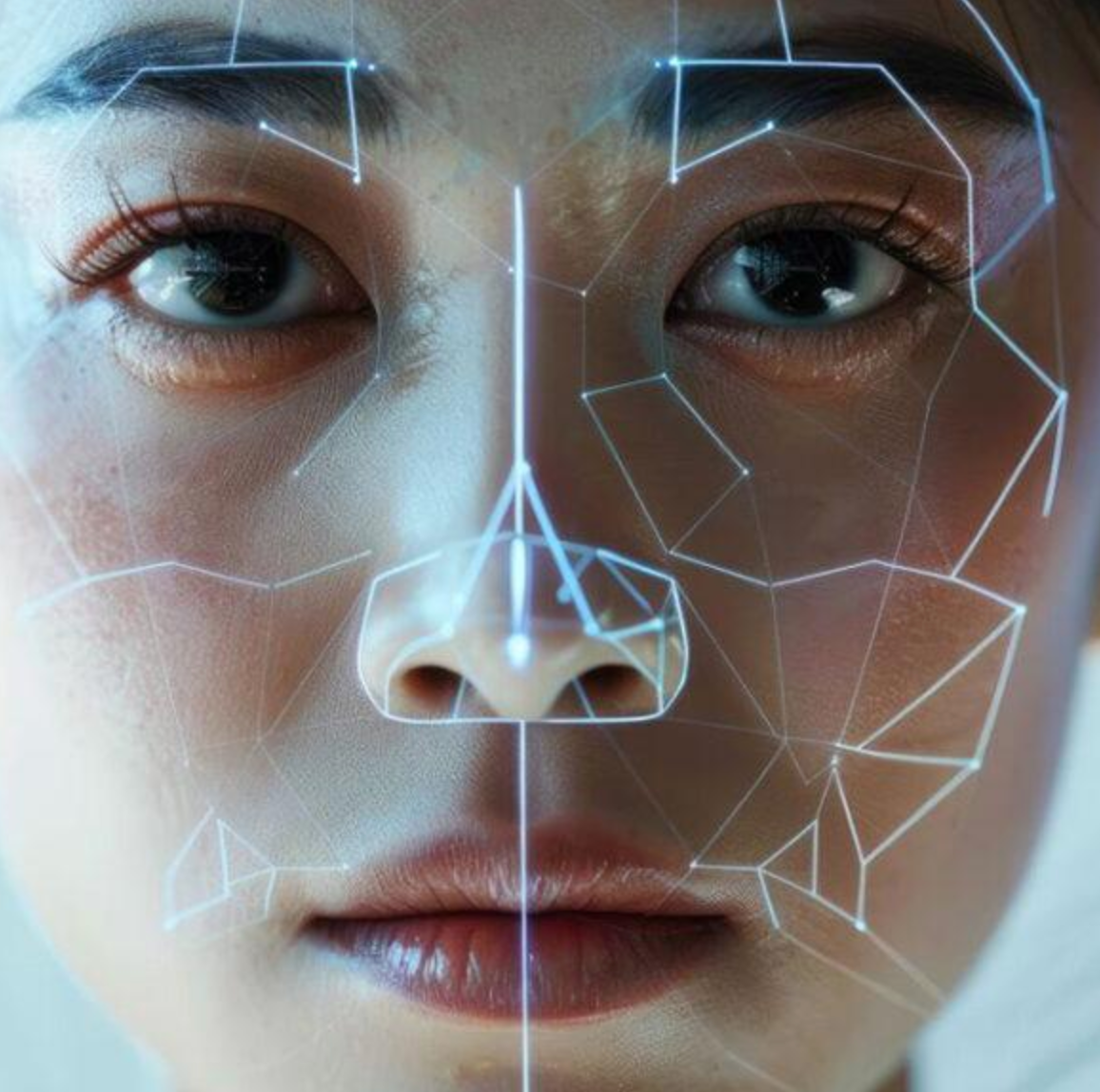
But that convenience creates an unusual problem.
When your face becomes the key, what happens to the key after you have used it?
South Africa's Information Regulator has proposed a dedicated code of conduct for personal information processed at gated accesses, including systems involving CCTV and biometric information. The move follows concerns around how personal information is collected and handled at controlled-access points.
Under the Protection of Personal Information Act, biometric information receives special protection. Yet the average person walking through a security gate may have little idea what happens between the moment a camera captures their face and the moment they leave the premises.
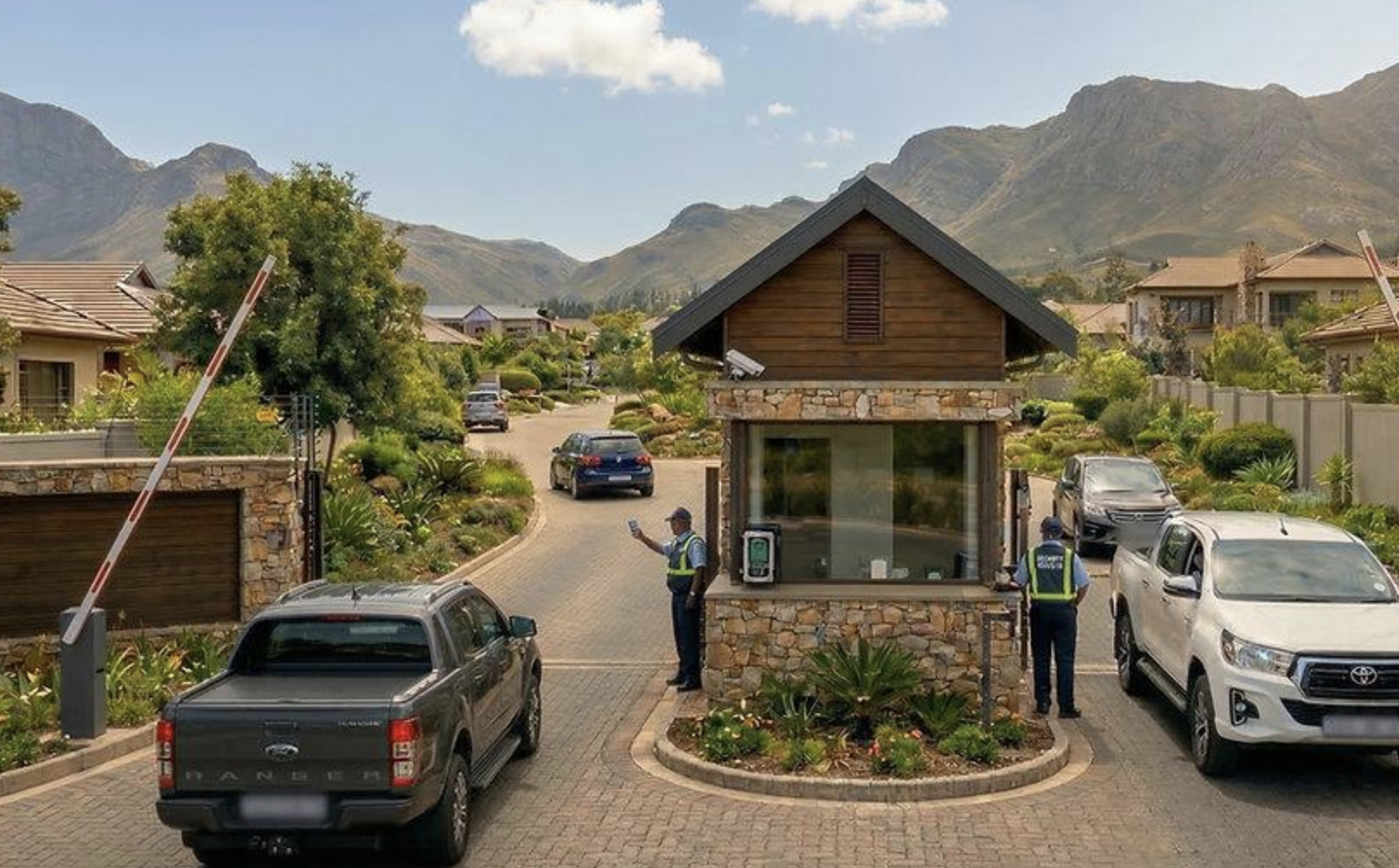
Is the image merely viewed? Is biometric data extracted from it? Is a template created? Where is that template stored? How long does it remain there? Does another company process it? And what happens when the person no longer lives, works or visits there?
Those questions expose the uncomfortable difference between using someone's face and controlling what happens to their face as data.
The security industry may see facial recognition as another access-control tool. But for the individual, it represents something fundamentally different from a lost access card: a credential attached permanently to their body.
The real privacy question may therefore not be whether South Africans are being watched.
It may be whether, every time we enter through a biometric gate, we are leaving a piece of ourselves behind and whether we know who keeps it.


Discussion