


If you've recently found yourself invested in the marital problems of a billionaire you've never met, you're not alone.
AI-generated micro-dramas, those bite-sized vertical soap operas filled with cheating spouses, secret babies, revenge plots and increasingly unhinged twists — have become a social-media phenomenon. Micro-dramas are now being discovered overwhelmingly through social feeds, with viewers spending hours each week dipping in and out of them.
And honestly, they're entertaining!
That's what makes the conversation around them more complicated.
The concern isn't simply that we're watching AI-generated videos. It's that our watching helps determine what gets made next.
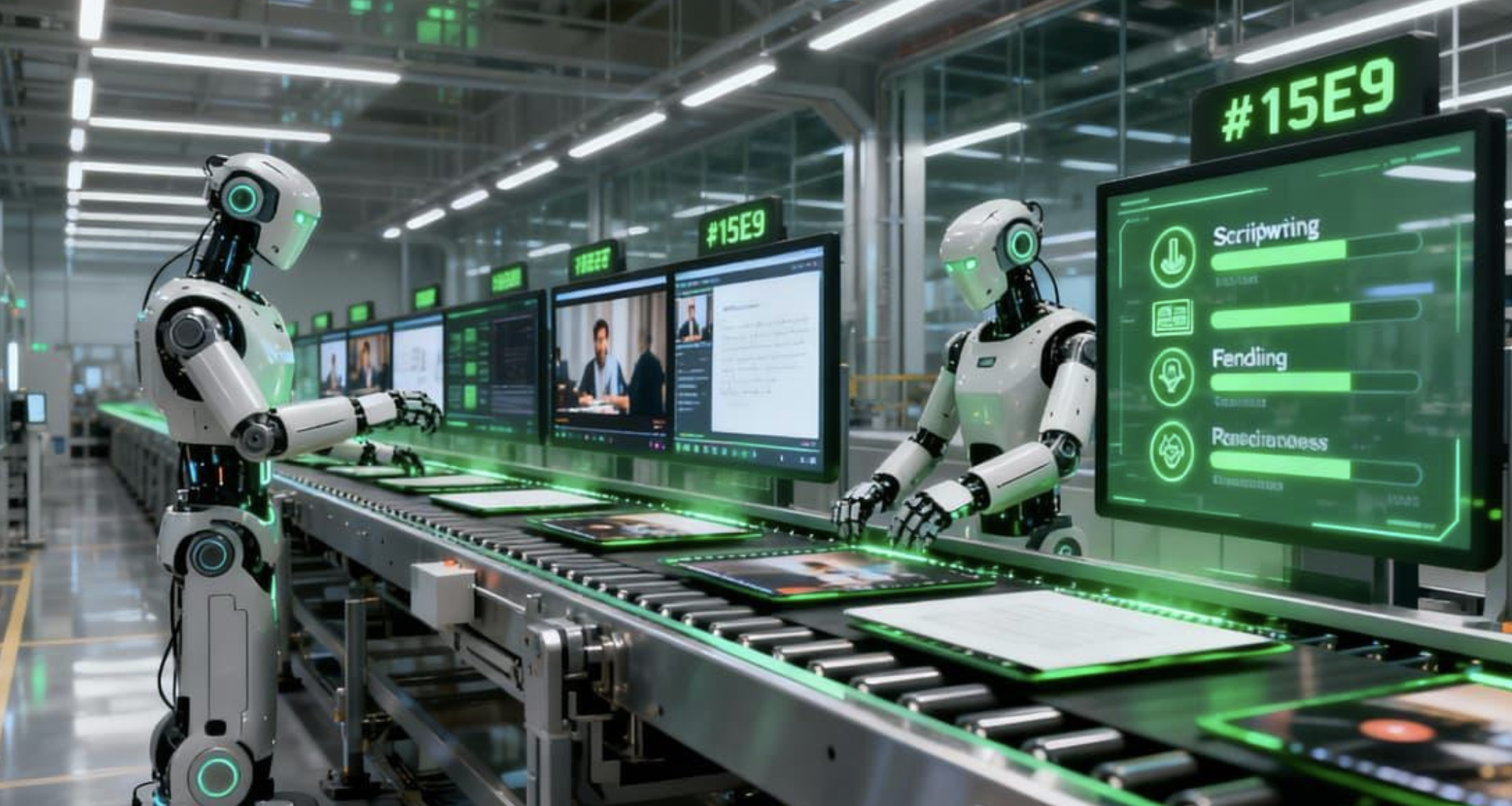
A video that has already been generated still has an environmental footprint when we repeatedly stream it: data must be stored and delivered, networks and data centers require electricity, and our devices consume energy. More importantly, successful content creates demand for more content. AI video generation itself can be considerably more energy-intensive than other forms of generative AI, particularly when creators repeatedly generate footage to get the desired result.
And AI's environmental footprint doesn't stop at electricity. Researchers are increasingly examining its demands for water, land, materials and infrastructure too.

So yes, the episode you're watching has already been made. You're not personally causing another video to be generated every time you press play.
But millions of us pressing play sends a very clear message: make more.
That's the fascinating and slightly uncomfortable part.
AI could make storytelling cheaper, faster and accessible to creators who couldn't previously afford traditional production. It could also create new creative opportunities.
But when entertainment becomes cheap enough to produce at enormous scale, our attention becomes the commodity driving that scale.
Maybe the question isn't whether these dramas are bad for us.
Maybe it's whether our endless appetite for them is quietly teaching machines what we're going to want next.


Discussion