


A BBC Africa Eye investigation has lifted the lid on the Uganda dog rescue scam, a hidden network in the town of Mityana that preys on global animal lovers. Scammers post distressing videos of dogs and other pets in need of urgent help, then pocket donations meant for food, shelter and vet care.
The exposé, titled Save Our Dogs: Inside Uganda’s Rescue Scam, follows one dog named Russet whose story highlights the cruelty. Thousands of dollars poured in to save him, yet he died after surgery. The findings show how the Uganda dog rescue scam turns compassion into profit while animals endure prolonged suffering.
Sham Shelters Thrive in Mityana
BBC journalists went undercover in Mityana, a trading centre about 70 km from Kampala. They gained access to a shelter run by Charles Lubajja, where about 15 dogs lay crammed in one cage, standing in their own waste. Many appeared severely underweight and lethargic.
Lubajja told the team the shelter existed mainly to generate money from social media viewers abroad under false pretences. The same dogs and locations appear across hundreds of accounts on TikTok, Instagram and Facebook. Scammers charge fees to film at the sites and add donation links to GoFundMe or PayPal.
How the Uganda Dog Rescue Scam Operates
Operators create emotional videos that play on stereotypes of African poverty and animal neglect. They claim dogs face eviction, starvation or accidents and need urgent funds. In reality, money rarely reaches the animals. Lubajja admitted scammers inflate dog food costs by more than 11 times and stage fake veterinary treatments, such as placing a syringe in a dog’s fur instead of injecting it.
Data analysed by the BBC shows more than $730,000 (£540,000) raised in the past five years for Ugandan animal shelters. Nearly 40 % of the fundraisers link back to Mityana. Once funds arrive, scammers use them to buy cars or build houses. Locals in Mityana describe the business as an open secret; young men driving Subarus are often identified as scammers.
Animals Pay the Highest Price
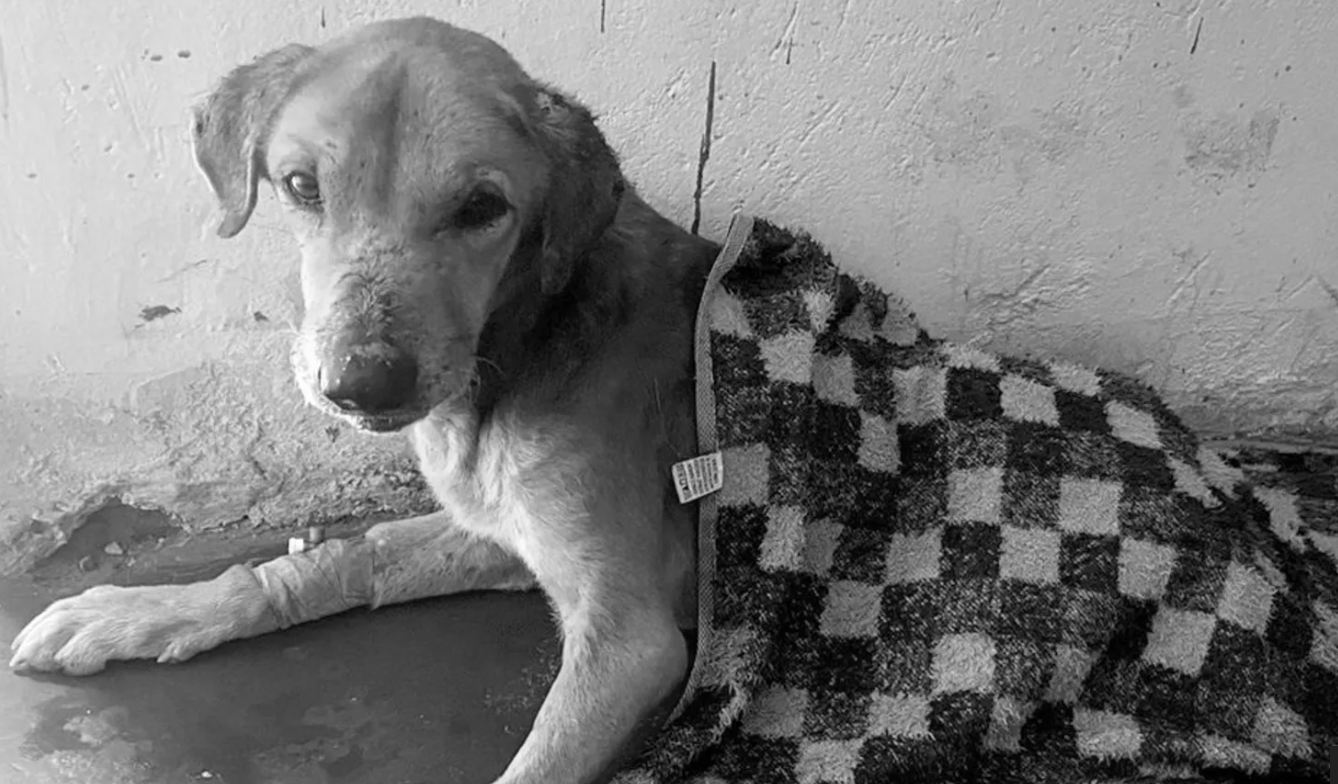
The most disturbing example involves Russet, a rust-coloured dog featured in a TikTok video posted on 8 January 2025. The post claimed he suffered an accident and needed life-saving treatment. Russet appeared in hundreds of campaigns by at least a dozen accounts over three weeks, raising thousands of dollars. A UK donor arranged his transfer to a Kampala veterinary clinic run by Dr Isa Lutebemberwa.
Lutebemberwa performed surgery on Russet’s broken hind legs but noted the fractures sat in the weakest positions, raising suspicion of deliberate injury. “If you are interested in breaking a bone, it’s the position you would go for,” he said. Russet survived the operation but died days later. The vet added: “If you looked in his face, you would see that he had endured a lot of suffering.”
Activists and Authorities Respond
International activists fight back. Nicola Baird, a UK campaigner who runs the “We Won’t Be Scammed” Instagram account, lost faith after discovering similar patterns. She told the BBC the donations prolonged Russet’s agony: “Had people not donated, Russet would not have suffered as long as he did.”
In Uganda, Bart Kakooza, chairman of the Uganda Society for the Protection and Care of Animals, blames impulsive giving. “Donors… are fanning the fire,” he said. Mityana police rescued 24 severely injured dogs from one sham shelter in 2023 and charged three suspects with cruelty. The men received warnings and the case closed. No further official response to the latest BBC findings has been reported.


Discussion