


Few topics spark as much debate across the continent as South Africa's relationship with the rest of Africa. From social media discussions to political commentary, South Africans are often accused of believing they are superior to other African nations. But is that perception entirely fair?
South Africa occupies a unique position on the continent. It is home to some of Africa's largest corporations, a sophisticated banking sector, world-renowned universities, and infrastructure that remains relatively advanced despite ongoing challenges. As a result, many South Africans naturally compare their country's systems, successes, and failures with those of other nations.
The problem is that comparison can sometimes be interpreted as arrogance.
South Africans are also known for being highly critical of their own country. Conversations about corruption, unemployment, crime, failing infrastructure, and poor service delivery dominate local news and public discourse. However, when similar discussions involve other African countries, criticism is often perceived as an attack rather than an observation about governance or policy.
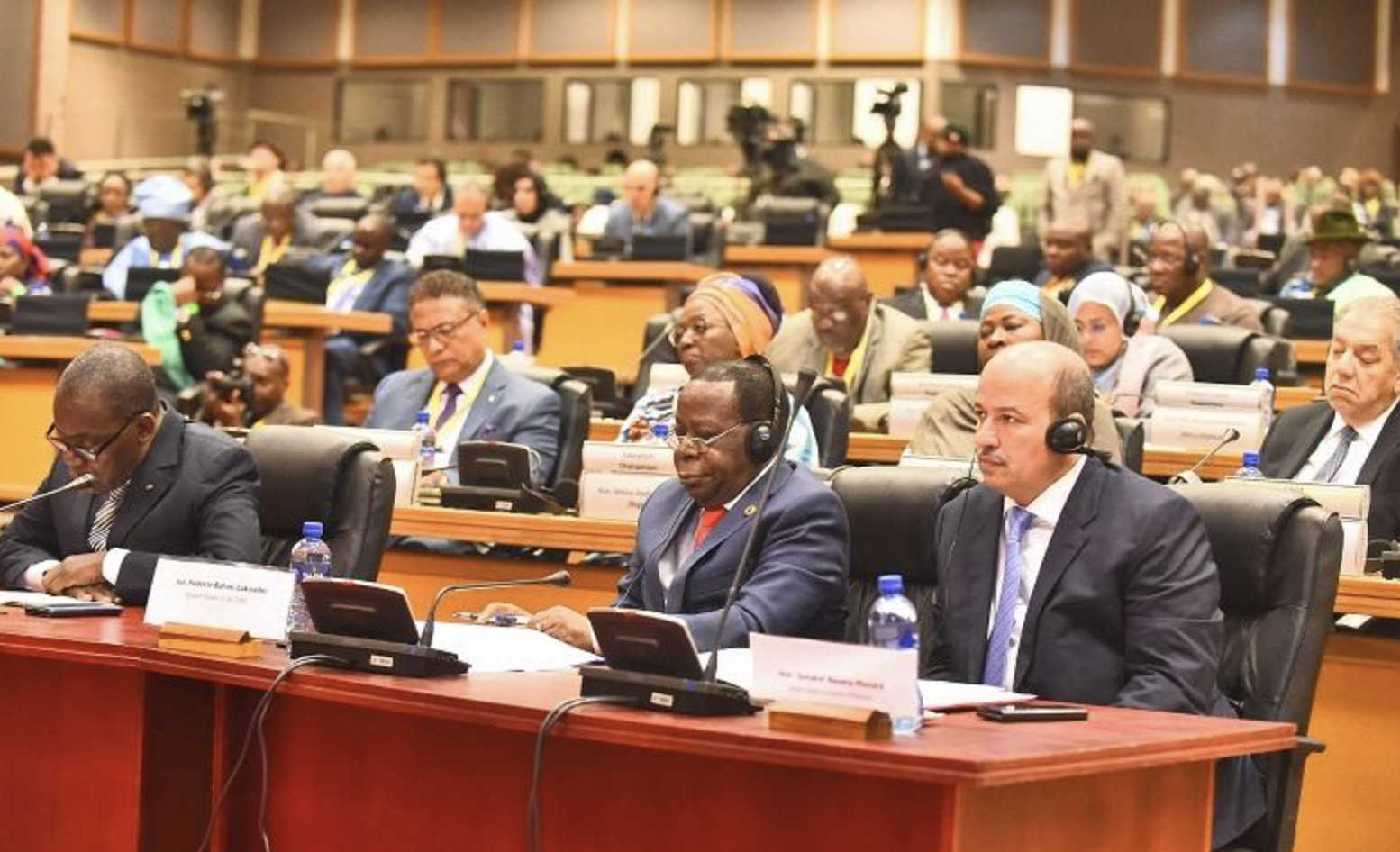
At the same time, South Africans are not entirely free from blame. Some still hold outdated stereotypes about other African nations, often based on narratives that no longer reflect reality. Across the continent, cities such as Kigali, Nairobi, Accra, and Lagos are experiencing rapid growth, technological innovation, and entrepreneurial success. Ignoring these achievements only fuels negative perceptions.
Yet every country faces challenges. The difference is not who has problems and who doesn't. The difference often lies in how openly those problems are discussed.
Perhaps the issue is not that South Africans look down on the rest of Africa. Perhaps Africans, regardless of nationality, sometimes struggle to separate criticism from contempt. Constructive criticism is not necessarily an insult. In many cases, it is the first step towards improvement.
As Africa continues to grow and evolve, honest conversations, mutual respect, and a willingness to learn from one another may prove more valuable than competing over who is doing better. After all, progress is a continental journey, not a national competition.


Discussion