


Sean Combs AKA Diddy has suffered a major legal setback after a New York court dismissed his $100 million defamation lawsuit against NBCUniversal and Peacock over the documentary Diddy: Making of a Bad Boy.
New York Supreme Court Judge Phaedra F. Perry-Bond ruled that the case lacked sufficient legal merit, agreeing with the defendants that the claims did not establish a strong basis for reputational harm. The decision effectively brings an end to Combs’ attempt to pursue damages over the 2025 production.
The lawsuit centred on allegations that the documentary portrayed Combs in a deeply damaging light, including suggestions of serious criminal behaviour. His legal team argued that the programme presented unverified claims and relied on speculative narratives without adequate evidence.
However, the court found that Combs himself had previously made statements acknowledging damage to his reputation during earlier legal proceedings. This became a key factor in NBC’s successful motion to dismiss, with the network arguing that such admissions undermined his claims that the documentary was responsible for reputational loss.
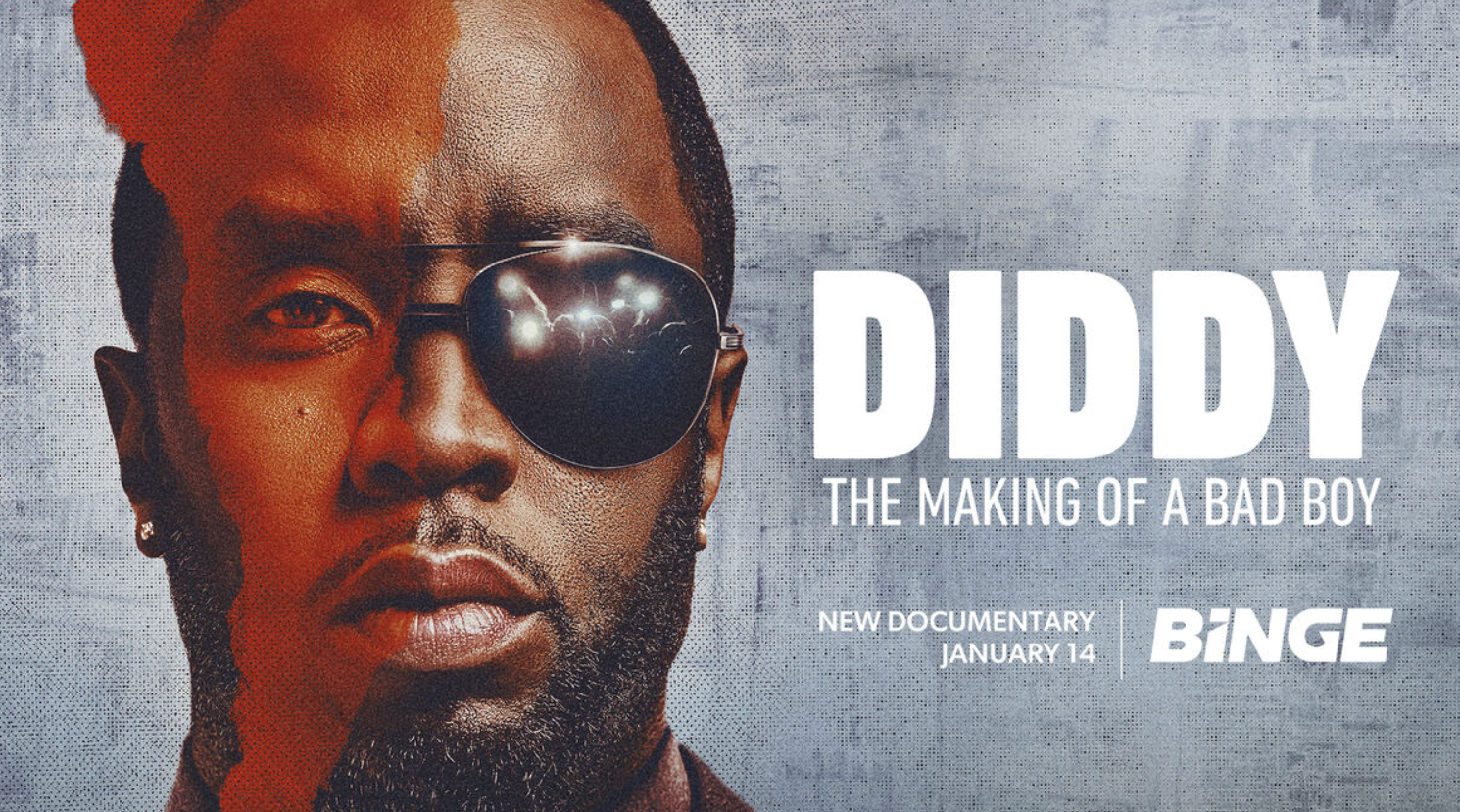
In her ruling, Judge Perry-Bond also noted that the documentary included context, multiple perspectives, and counter-statements, which weighed against the defamation argument. The court further referenced First Amendment protections, reinforcing the legal threshold required for public figures to prove defamation.
NBC’s legal team described the outcome as a win for journalistic and documentary freedom, arguing that filmmakers must be allowed to explore public figures and controversies without fear of meritless litigation.
Combs’ legal representatives had previously maintained that the documentary distorted facts and unfairly amplified allegations without proper verification. They have not yet indicated whether they will pursue further legal action regarding the ruling.
The decision adds another layer to Combs’ ongoing legal challenges, as he continues to navigate separate proceedings and appeals in other cases.


Discussion