


For days, Iraq’s controversial Jaʿfari Personal Status Code has surged back into public debate. But the anniversary exposes a problem deeper than the headline claim that Iraq has “legalised marriage at nine”.
The real question is whether Iraq has built a legal system that can be independently audited.
Parliament’s 2025 amendment created a parallel framework under which Muslim families can choose Jaʿfari rules for marriage, divorce, custody and inheritance. The legislation also stated that its marriage-age provisions could not contradict the 1959 Personal Status Law, which generally sets marriage at 18, with judicial exceptions from 15.
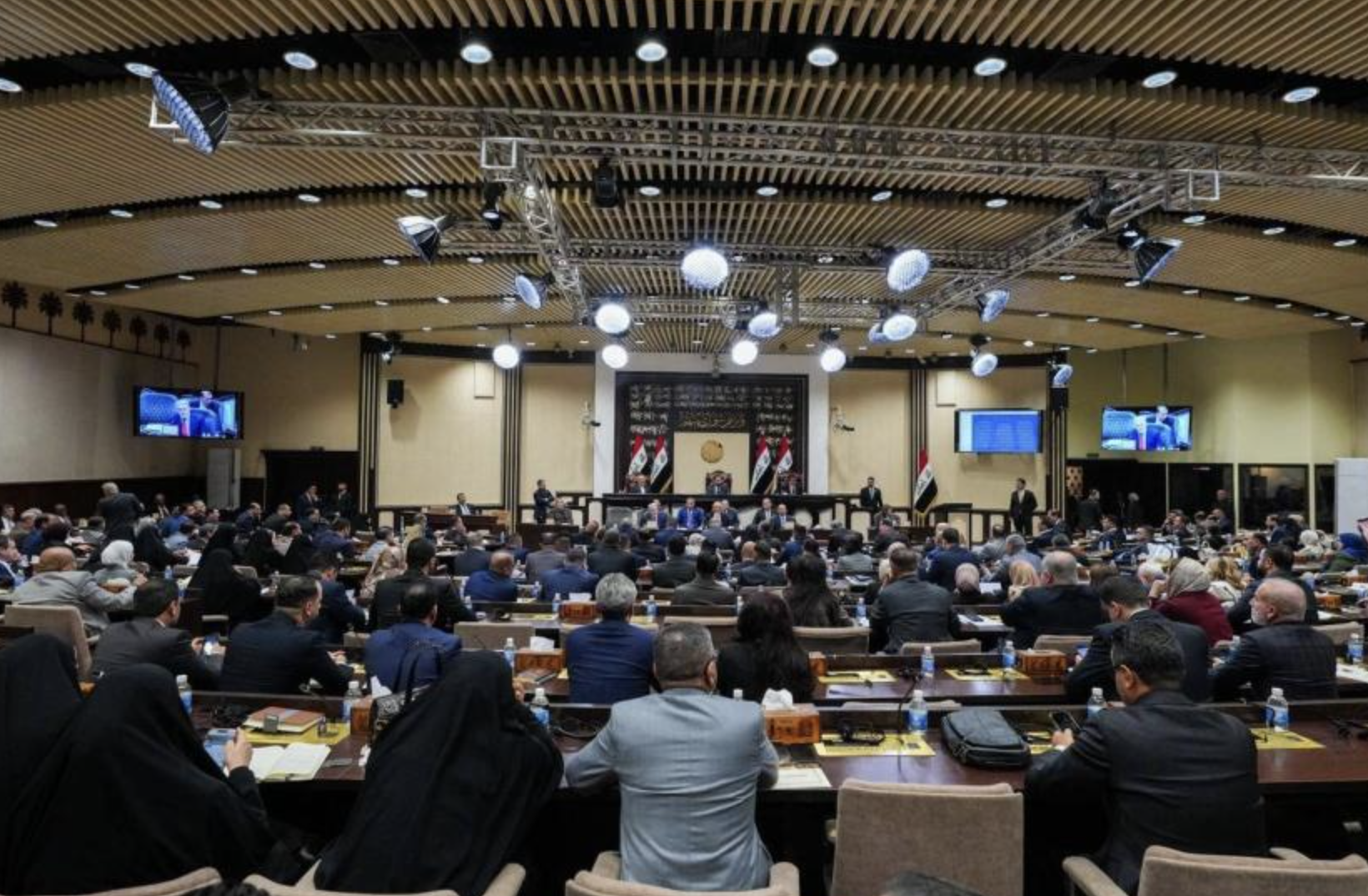
Yet the final 337-article Jaʿfari code uses concepts including “puberty”. Human Rights Watch has argued that, under traditional interpretations, this could permit marriage at ages as young as nine or ten, despite the statutory safeguard.
One year on, the evidentiary picture remains incomplete. Iraqi investigative reporting says the Supreme Judicial Council does not publicly distinguish cases decided under the Jaʿfari code from those governed by the 1959 law. That makes it difficult to determine whether the new regime is actually changing divorce, custody or early-marriage outcomes.
There is also a human cost to the debate. NIRIJ reported renewed online campaigns exposing women critics’ identities on 4 October. Femena has separately documented intimidation targeting women human-rights defenders.
And Yanar Mohammed, a prominent women’s-rights defender, was shot dead in Baghdad in March. Her killing remains unresolved publicly, with no group claiming responsibility.
The overlooked issue is therefore not simply age. It is accountability: a parallel family-law system needs an equally robust system for measuring its consequences.


Discussion