


A bank fee is supposed to be the price of a service. For some FNB customers, the question is what happens when that price is taken from money that is not there.
Screenshots circulating online show customers reporting substantial charges, including one account apparently pushed to around R960 below zero. Those reports are not proof of a bank-wide billing error. But the reaction exposes a bigger problem: when a fee pushes a transactional account into the red, a service charge can begin to feel less like a price and more like a debt.
FNB’s pricing is not secret. Its 2026/27 pricing took effect on 1 July, and the bank lists the Premier Current Account at R285 a month. That amounts to R3,420 a year before transaction-specific charges. FNB also offers a zero-monthly-fee Easy Zero account, showing that the R285 charge is linked to a particular account type rather than banking with FNB.
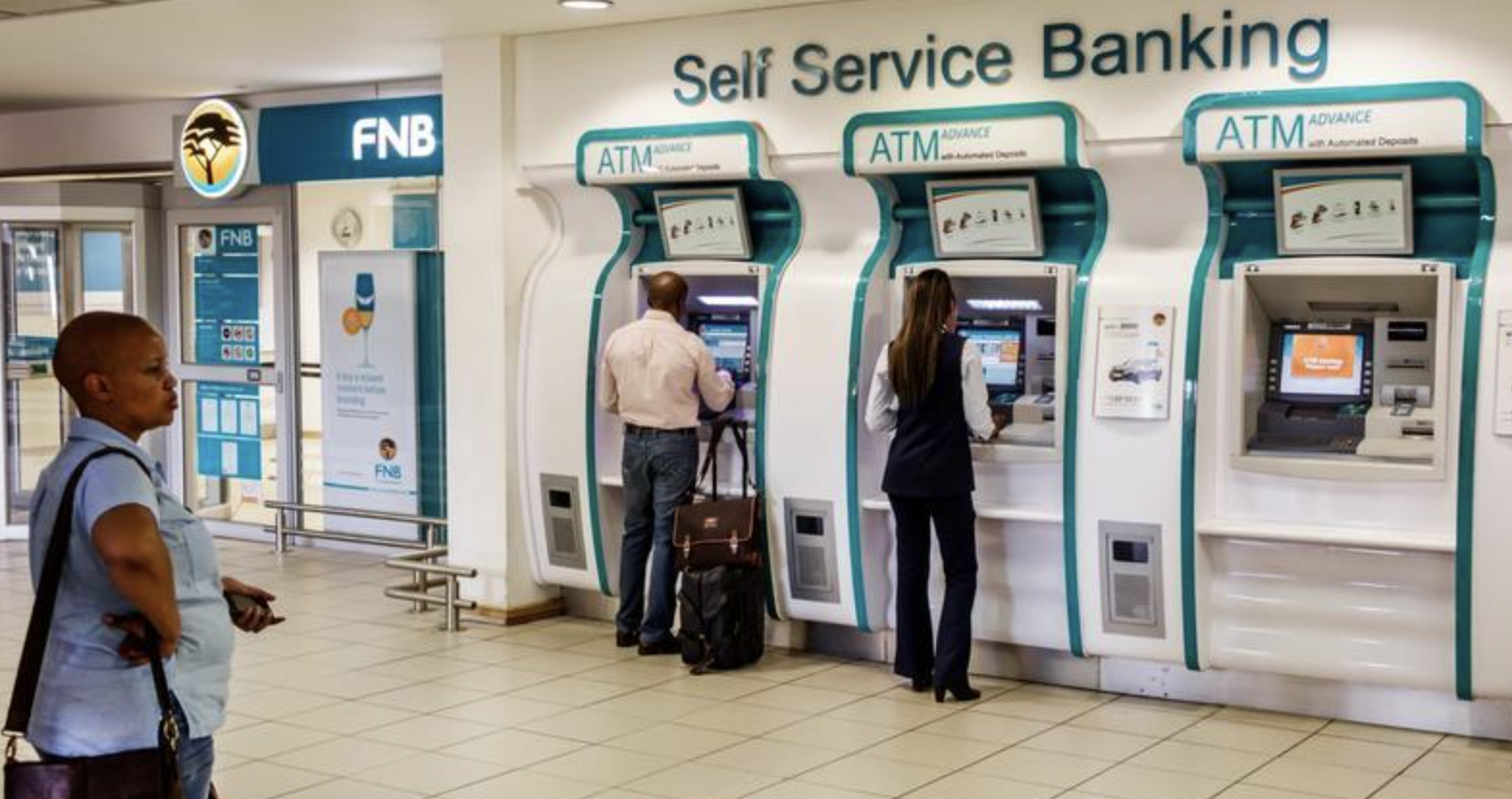
That distinction matters. A customer who knowingly chooses a paid account has agreed to a published fee. But when accumulated charges consume the available balance, the customer’s next income may effectively arrive already spoken for. If the account becomes overdrawn, further costs may follow depending on the account and circumstances. FNB’s banking code specifically addresses charges that can arise when an account becomes overdrawn without prior agreement.
That makes this bigger than FNB. South Africa’s National Financial Ombud handles banking complaints involving “fees and charges”, while its latest figures show more than R53 million recovered for banking consumers in the relevant reporting year.
The question is not whether fees are disclosed. It is whether customers understand the financial chain reaction that begins when a fee lands on an account with nothing left in it.


Discussion