


South Africa’s immigration debate has collided head-on with the Constitution, and the result is now visible on a Durban street.
Hundreds of people have gathered outside the Department of Home Affairs’ Refugee Reception Centre on Che Guevara Road after the department implemented a directive requiring refugee offices to receive people who indicate that they want to apply for asylum. The instruction applies even where someone entered South Africa unlawfully, crossed outside a port of entry, has no visa or failed to report within the prescribed period.
That has triggered outrage, political accusations and claims that the Constitutional Court has effectively opened South Africa’s borders.
It has not.
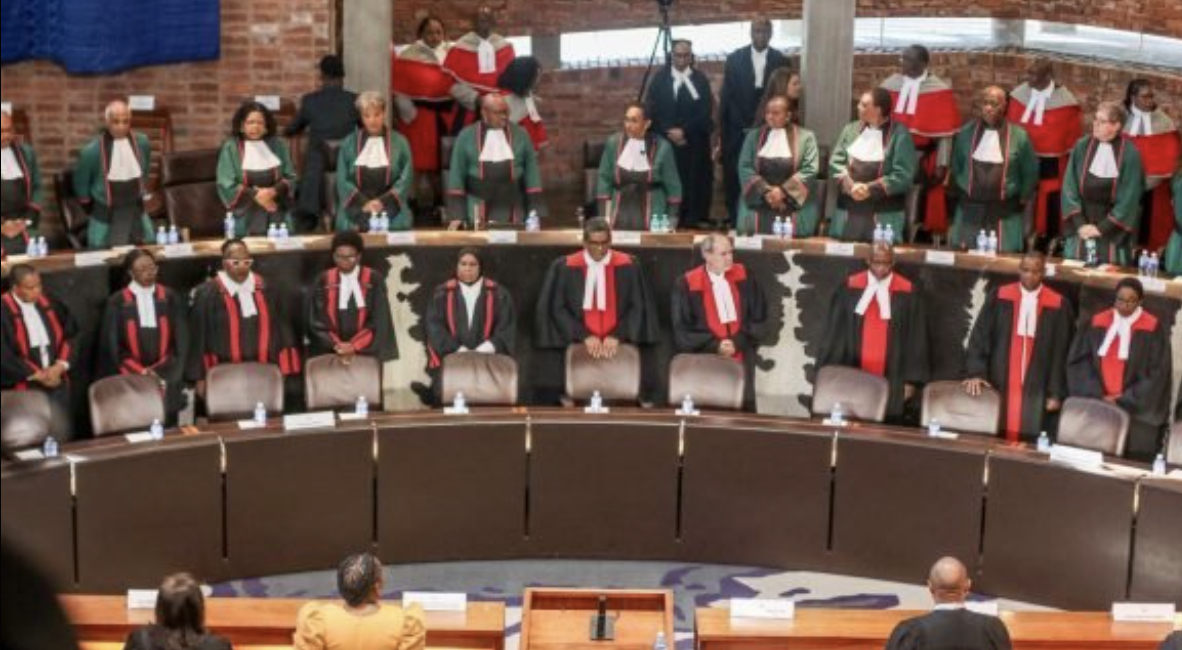
The Court’s July judgment in the Scalabrini Centre matter dealt with something considerably more specific. It found that procedural failures could not be used to prevent a person from entering the asylum system before their claim had been assessed on its merits. The reason is the principle of non-refoulement: South Africa cannot return someone to a country where they may face persecution or serious harm before their protection claim has been properly determined.
That creates an uncomfortable distinction.
Illegal entry and a right to have an asylum claim considered are not the same legal question.
Someone can therefore enter South Africa unlawfully and still have a claim that the state is constitutionally required to hear. But being allowed to make that claim does not mean the person has been recognised as a refugee, nor does it give them an automatic right to remain permanently.
This is where the political argument becomes much more complicated than the viral posts suggest.
Home Affairs must now process the claim first and determine whether it is genuine. The department has warned that the change could place enormous pressure on an already strained asylum system, while today's scenes in Durban demonstrate what that pressure looks like on the ground.
The real question facing South Africa is therefore not whether the country has abandoned border control.
It is whether Home Affairs can distinguish between someone who broke the immigration rules and someone who broke them while genuinely fleeing danger.
That distinction is now standing in the queue.


Discussion